Archive

January 2026

Browsing

From established players to up-and-coming firms, Canada’s pharmaceutical landscape is diverse and dynamic.

Canadian drug companies are working to discover and develop major innovations amidst an increasingly competitive global landscape. Rising technologies such as artificial intelligence are playing a role in the landscape as well.

Read on to learn about what’s been driving the share prices of the best-performing Canadian pharma stocks.

1. HLS Therapeutics (TSX:HLS)

Year-on-year gain: 26.6 percent
Market cap: C$149.8 million
Share price: C$4.76

HLS Therapeutics focuses on drugs for cardiovascular and central nervous system problems, often through partnerships. The company specializes in acquiring and commercializing pharmaceuticals that address unmet needs, including Vascepa to reduce cardiovascular risk and Clozaril for treatment-resistant schizophrenia.

HLS in-licensed the exclusive rights to the treatments Nilemdo and Nexlizet, both of which are already approved in other countries, from Esperion (NASDAQ:ESPR) in May.

The November 2025 Health Canada approval of LDL-cholesterol lowering treatment Nilemdo represents the most significant catalyst for the company since the launch of Vascepa, positioning HLS as a dominant leader in the Canadian cardiovascular market. The company is targeting Nilemdo’s commercial launch in Q2 2026.

Along with the approval, Health Canada issued a notice of non-compliance for its Nexlizet cholesterol-reducing treatment. According to HLS, the decision was related to chemistry, manufacture and controls data, not clinical data or safety.

Additionally, the company generates revenue from a diversified portfolio of royalty interests on various products marketed by third parties.

2. Satellos Bioscience (TSXV:MSCL)

Year-on-year gain: 14.49 percent
Market cap: C$141.04 million
Share price: C$0.79

Satellos Bioscience is a Canadian pharmaceutical company expanding treatment options for muscle disorders. The company has focused specifically on Duchenne muscular dystrophy, developing therapies that target the specific biological pathways involved in regenerating and repairing muscle tissue.

Its lead candidate, SAT-3247, targets a protein called AAK1, which regulates the activity of stem cells that activate and differentiate new muscle fibers.

In Q4 2025, Satellos administered the first dose to a patient in its 11-month open-label follow-up study for adults who completed its initial Phase 1b trial. The study seeks to demonstrate the lasting impact of the significant functional improvements observed earlier in the year.

On December 9, the company received Investigational New Drug (IND) clearance from the US Food and Drug Administration (FDA) and several other global regulators to initiate BASECAMP, a global Phase 2 randomized, placebo-controlled study to evaluate SAT-3247 in pediatric patients.

3. Knight Therapeutics (TSX:GUD)

Year-on-year gain: 14.29 percent
Market cap: C$592.59 million
Share price: C$6.00

Knight Therapeutics is a specialty pharmaceutical company headquartered in Montreal, Québec. It operates on an acquisition and in-licensing model, obtaining the rights to innovative medicines from global pharmaceutical companies and commercializing them across Canada and Latin America.

The company was originally founded by the former leaders of Paladin Labs, which was acquired by Endo International in 2014. In June 2025, Knight bought the Paladin business back from Endo for C$107 million, adding over 40 products to Knight’s Canadian roster.

The additions, helped drive 32 percent revenue growth year-over-year to a record C$122.55 million in Q3. The company projects its Knight Canada subsidiary will be the company’s top revenue-contributor within two years.

4. BioSyent (TSXV:RX)

Year-on-year gain: 10.07 percent
Market cap: C$146.89 million
Share price: C$12.90

BioSyent is a specialty pharmaceutical company focused on in-licensing or acquiring established, high-margin healthcare products for the Canadian and international markets. Its growth is anchored by brands in iron health and women’s wellness. Its flagship brand, FeraMAX, has been Canada’s leading iron supplement for over a decade.

The company’s 2024 acquisition of Tibella, a treatment for menopausal symptoms, has been a major growth driver. According to its Q3 earnings report. BioSyent’s sales grew 19 percent year-over-year in Canada and 94 percent in the international market.

5. NurExone Biologic (TSXV:NRX)

Year-on-year gain: 6.45 percent
Market cap: C$47.54 million
Share price: C$0.66

NurExone Biologic is behind ExoTherapy, a drug-delivery platform that uses exosomes, which are nano-sized extracellular vesicles, to create treatments for central nervous system disorders, spinal cord injuries and traumatic brain injuries. It is a less invasive alternative to cell transplantation, which requires surgery and carries the risk of rejection.

NurExone’s first nano-drug, ExoPTEN, uses a proprietary sIRNA sequence delivered with the ExoTherapy platform to treat spinal cord injuries. ExoPTEN received orphan drug designation from the US FDA in October 2023.

The company expects to initiate its Phase 1/2a first-in-human trial for acute spinal cord injury in the second half of 2026, targeting patients with traumatic injuries.

It continues to make significant progress, with recent preclinical studies demonstrating strong, dose-dependent vision recovery in glaucoma models and improved motor function in spinal cord injury models.

The company announced plans for a US exosome production facility in Indianapolis, Indiana, in September. According to the release, ‘The GMP compliant site would produce exosomes both for NurExone’s therapeutic pipeline and for a growing business-to-business opportunity in regenerative aesthetics.’

In December, the company began planning for small-scale production of ExoPTEN in Israel to support its clinical trial.

Securities Disclosure: I, Meagen Seatter, hold no direct investment interest in any company mentioned in this article.

This post appeared first on investingnews.com

Investor Insight

Centurion Minerals offers investors an early-stage entry point into a strategically located gold exploration company positioned within one of North America’s most prolific and active mining districts. With a restructured corporate foundation, and a highly experienced geological and corporate finance team, the company is primed for value-creating discoveries.

investingnews.com

Overview

Centurion Minerals (TSXV:CTN) is a Canadian exploration company focused on the acquisition, exploration and development of precious metals projects in the Americas.

The company’s strategy is centered on advancing high-quality, early-stage gold assets through systematic exploration to define drill-ready targets and unlock the discovery potential inherent in its three-part claim package: the Newman, Noseworthy and Hepburn properties. Situated near major operations and new discoveries, these claims benefit from excellent infrastructure, year-round road access and proximity to proven mineralized structural corridors. Centurion intends to increase shareholder value through targeted geophysics, ground truthing and drilling programs designed to reveal new high-grade zones, as well as through potential future acquisitions of complementary gold assets across the Americas.

Backed by a leadership team with decades of exploration, geology, corporate finance and project development experience, Centurion is positioned to capitalize on strong gold market fundamentals and renewed investor interest in junior exploration companies. With a low current valuation and advancing work program, the company provides leverage to both exploration success and broader trends in the gold sector.

Company Highlights

  • Highly prospective gold project in a world-class district located in the central north Abitibi greenstone belt, adjacent to major deposits and producing mines including Hecla Mining’s (NYSE:HL) Casa Berardi mine and Agnico Eagle’s (TSX:AEM) Detour Lake operations.
  • Exceptional closeology advantage, with its Casa Berardi West project situated just 12 km from AMEX Exploration’s (TSXV:AMX) 1.6 Moz “Perron” discovery and along the same structural corridors that have produced multi-million-ounce deposits.
  • Significant historic drilling across the three claim groups, including results up to 38 g/t gold and multiple intervals indicating gold-bearing iron formations and shear zones.
  • Clear exploration strategy including historic data compilation, geophysical surveys, target generation and a planned program to define new mineralized zones.
  • Experienced management and technical team with decades of experience in mineral exploration, and international corporate finance, enhances the potential of uncovering additional exploration opportunities.
  • Low market capitalization and recently reactivated corporate structure, offering investors a low entry point ahead of meaningful upside catalysts.

Key Project

Casa Berardi West Gold Project

The Casa Berardi West project is Centurion’s flagship gold exploration asset, encompassing approximately 6,732 hectares across three contiguous claim groups – Newman, Noseworthy and Hepburn – located 66 km northeast of Cochrane, Ontario. The project sits along structural corridors that host some of the region’s most significant deposits, including Hecla Mining’s Casa Berardi mine (3 Moz past production, plus 4 Moz in reserves and resources), Agnico Eagle’s Detour Lake mine (15 Moz reserve, producing ~659,000 oz of gold per year ), and AMEX Exploration’s Perron discovery (1.6 Moz measured and indicated resource at 6.14 g/t gold).

Location of the three claim groups at Casa Berardi West

Geological Setting & Closeology Advantage

The project is situated within the central north Abitibi Subprovince, an Archean greenstone belt known globally for its prolific endowment of gold and base metals. The claims lie adjacent to geological features associated with multiple major deposits – iron formations, shear zones and VMS trends – creating strong analogues to high-grade gold mines such as the Musselwhite mine in Northern Ontario.

This “closeology” positioning significantly enhances the potential for Centurion’s ground to host similar mineralization.

Historic Results & Target Areas

Historic exploration across the Casa Berardi West project – spanning more than 70 RC and diamond drill holes – has already confirmed the presence of gold-bearing structures and favorable host rocks. Notably, previous work returned multiple samples above 1 g/t gold, including a standout result of 38 g/t gold, demonstrating strong mineralization potential across the claim area.

Significant historic drill results at Newman target

Across the three claim groups, drilling and geophysical surveys have identified key geological features associated with major deposits in the region, including iron formations, shear zones and sulphidized horizons. Several zones of interest remain untested or underexplored, particularly along structural trends that extend from nearby high-grade gold and VMS systems such as the Perron and Normetal areas.

These findings provide Centurion with multiple high-priority target areas for follow-up exploration, forming the foundation for its next phase of geophysical work and upcoming drill targeting.

Management Team

David Tafel – Director, President and CEO

David Tafel brings over 30 years of experience in corporate structuring, strategic planning, financing and executive management across multiple public and private resource companies. He has raised several hundred million dollars for ventures in mining, technology and life sciences, and previously managed private investment funds at Canada’s largest independent securities firm.

Jeremy Wright – Director and CFO

A seasoned financial executive with more than 20 years of experience, Jeremy Wright serves as president & CEO of Seatrend Strategy Group and has held CFO roles across numerous public companies in the resource and technology sectors. His background includes financial management, negotiations and environmental economics, supported by extensive board leadership experience.

Joseph Del Campo – Director

Joseph Del Campo has served as CFO and Interim CEO across several mining companies, including Unigold and First Nickel. With decades of corporate financial leadership and board experience, he contributes deep governance, audit and operational oversight expertise to Centurion’s board.

Mike Kilbourne – Geological Consultant

A veteran geologist with 40+ years of industry experience, Mike Kilbourne has managed over 100,000 metres of drilling across North America and Mexico, worked as a production geologist in multiple mining environments, and generated over 700 exploration targets for private and public companies.

Jamie Lavigne – Geological Consultant

Jamie Lavigne is a senior exploration geologist with more than 30 years of experience in base and precious metals. He has held senior technical roles with major mining companies and specializes in advanced exploration, resource delineation and geological modeling across global mineral belts.

This post appeared first on investingnews.com

The lithium market heads into 2026 after one of its most punishing years in recent memory, shaped by deep oversupply, weaker-than-expected electric vehicle (EV) demand and sustained price pressure.

In 2025, lithium carbonate prices in North Asia sank to four year lows, forcing production cuts and project delays as the industry grappled with the consequences of years of aggressive supply growth.

The second half of the year saw a rebound as lithium carbonate began a slow ascent. By December 29, prices had risen 56 percent from their January start position of US$10,798.54 per metric ton to US$16,882.63.

While volatility and brief price rallies highlighted the market’s sensitivity to sentiment and policy signals, analysts increasingly see the sector’s first-half downturn as an inflection point. With high-cost supply under strain and inventories gradually tightening, expectations are building that 2026 could mark the start of a rebalancing phase, supported by long-term demand tied to electrification, energy storage and the broader energy transition.

Battery energy storage systems to drive lithium growth

Energy storage is emerging as the fastest-growing pillar of battery demand, with major implications for the lithium market heading into 2026. Indeed, according to Benchmark Mineral Intelligence’s Iola Hughes, growth in this segment is accelerating well ahead of the broader battery market.

“We’re expecting about 44 percent growth (in 2025),” she said. That’s compared with roughly 25 percent growth across total battery demand. As a result, energy storage is set to account for about a quarter of total global battery demand in 2025, a share that is rising rapidly. The shift is even more pronounced in the US, where Hughes expects storage to make up a significant “35 to 40 percent of battery demand in the next few years.”

That growth is being driven by falling costs and the growing role of lithium iron phosphate (LFP) chemistry, which Hughes described as the dominant technology in stationary storage.

“It very much is the story of LFP right now,” she said, pointing to recent innovation and lower costs, which have helped to make LFP “the best chemistry” for most storage applications.

Globally, deployment remains highly concentrated. China and the US account for roughly 87 percent of cumulative grid-scale storage installations, but new markets are emerging quickly.

Saudi Arabia, Hughes noted, has surged from effectively zero to the world’s third largest market in a matter of months, deploying around 11 gigawatt-hours in the first quarter alone. “That really goes to show just how early this market is in its story,” she said; it also indicates how quickly new sources of battery demand can materialize.

Cost declines sit at the core of the expansion. Fully integrated storage systems in China are now approaching, and in some cases falling below, US$100 per kilowatt-hour. Hughes said this has fundamentally changed the economics of storage, making deployments viable even as policy support tightens. “The prices are so much cheaper, the economics are a lot stronger, even in a normal, unsubsidized environment,” she said.

In the US, growth remains concentrated in a handful of states — led by California and Texas — but Hughes stressed how early stage the market still is. New Mexico, now the fifth largest storage market, is built on just a few projects.

At the same time, the scale of energy storage projects is increasing rapidly. Giga-scale installations, defined as projects larger than 1 gigawatt-hour, are moving from novelty to norm.

Hughes said nine such projects are expected to come online this year, accounting for about 20 percent of battery demand, with more than 20 in the pipeline for next year, representing close to 40 percent.

Policy remains a key variable. While investment tax credits for storage remain in place in the US, Hughes warned that tighter sourcing and eligibility rules are reshaping supply chains, particularly for LFP. The pipeline of announced LFP gigafactories has grown sharply this year — up more than 60 percent — led largely by Korean manufacturers.

“We’re in a much better position when it comes to sourcing of cells for energy storage than we were even three months ago,” she said, though challenges remain around production tax credits and heavy reliance on Chinese cathode supply.

Underlying the storage boom is a broader shift in electricity demand.

After more than a decade of stagnation, US power demand is rising again, driven by data centers, AI, electrification and reshoring of manufacturing. Hughes said estimates now point to electricity demand rising 20 to 30 percent by 2030, placing energy storage at the center of energy security planning. “Storage has become a central topic in the energy security conversation,” she said, adding that its role will only grow.

Looking ahead, Hughes said LFP is likely to dominate shorter-duration storage, while sodium-ion and other battery technologies compete in longer-duration segments.

For the lithium market, the message is clear: as storage scales up in size, geography and strategic importance, it is becoming one of the most powerful demand drivers shaping the sector’s outlook for 2026 and beyond.

Lower costs driving LFP adoption

Howard Klein, RK Equity co-founder and partner, argued that falling costs remain a central driver of LFP battery adoption, reflecting a familiar economic dynamic: as prices decline, demand accelerates.

While lithium is a key input, he suggested that ongoing manufacturing efficiencies and economies of scale are likely to continue pushing LFP battery costs lower over time, potentially offsetting upward pressure from higher lithium prices.

Klein emphasized that even if LFP costs rise modestly, battery storage will remain highly competitive as a source of grid power. Compared with conventional generation options such as gas or coal, storage already offers a compelling cost and performance proposition, he said, and does not rely solely on subsidies to remain economically viable.

Geopolitical instability on the rise

Critical minerals are increasingly at the center of US foreign policy, and that shift is set to reshape the lithium value chain through 2026, according to Klein. He noted that geopolitics now underpins many of Washington’s strategic priorities, from Eastern Europe to Africa and the Arctic.

“The entire foreign policy agenda is largely being driven by critical minerals,” Klein said, citing regions including Ukraine, Russia, the Democratic Republic of Congo, Greenland and Canada.

China’s willingness to weaponize its dominance in key supply chains has sharpened that focus.

On that note, Klein pointed to Beijing’s renewed rare earths export restrictions in October, noting that these measures were applied globally, not just against the US.

“They showed that they wield a significant negotiating stick, and they’re willing to use it,” he said.

In Klein’s view, that move has triggered a forceful response from western governments. “I think they’ve overplayed their hand to some degree, because now you’ve had this very big reaction from the US.”

That reaction is translating into a renewed push to localize and reshore critical mineral supply chains — an effort that has gained rare bipartisan backing in Washington.

“Unlike so many other things in America, which are hyper-partisan, both sides agree we need to resolve this,” Klein said, adding that the policy momentum will continue to shape the lithium industry.

While rare earths remain the immediate pressure point, Klein said the policy lens is widening. The US recently added 10 minerals to its critical minerals list, which now stands at a total of 60. Lithium, he said, sits high on that agenda, not out of enthusiasm for the metal itself, but because of its role in batteries.

“It’s an understanding by the government that batteries and battery technology are very, very important, and the entire battery supply chain needs to be supported,” Klein said. That support extends beyond lithium to graphite, manganese, nickel, cobalt and battery components such as anodes and cathodes.

The approach is increasingly coordinated across western economies. Klein described it as “a G7 effort,” with the EU and Canada aligned alongside the US through a mix of bilateral and multilateral initiatives.

That coordination is already translating into capital flows. He pointed to US-backed progress at Thacker Pass, EU funding for Vulcan Energy Resources (ASX:VUL,OTC Pink:VULNF) and a 360 million euro grant for European Metals Holdings (LSE:EMH,ASX:EMH,OTCQB:EMHLF) as early examples. Canada, he added, is also ramping up support.

“Canada announced C$6 billion over 26 investments,” Klein said, adding that more announcements are likely by the time the Prospectors & Developers Association of Canada convention rolls around in March.

Klein sees geopolitics, industrial policy and supply chain security converging into powerful lithium tailwinds. “This is a super hot topic,” he said, and one that is likely to drive increased lithium-related activity well into 2026.

Should the US build a strategic lithium reserve?

To dilute China’s grip on the sector, Klein is advocating for a strategic lithium reserve in the US as a more effective and market-neutral alternative to company-specific subsidies. He argues that the industry’s core challenge is not demand, but extreme price volatility caused by global oversupply and what he describes as non-market behavior, which has driven prices below sustainable levels and distorted investment signals across the sector.

“The problem in lithium is volatile prices — prices below the marginal cost, catastrophically low prices that put companies out of business,” he said, pointing to persistent oversupply as the primary distortion.

In Klein’s view, a reserve would act as a counterweight by creating steady, large-scale demand that stabilizes prices within a sustainable range. “The main focus is to stabilize price … not at a super high level, but at a level where companies can make an economic return,” he said. That stability, he added, is essential to incentivize investment in mines, processing and conversion facilities across the US, Canada and allied jurisdictions.

Unlike targeted government support, Klein said a reserve would allow the market to determine which projects succeed.

“I want the market to decide which projects and companies are the best, not necessarily the government,” he said, noting the diversity of competing lithium resources, from US clay and brine projects to Canadian hard-rock deposits.

A more predictable price environment with fewer large swings would lower the cost of capital and give private investors greater confidence to finance viable projects.

Klein stressed that a lithium reserve should not be confused with a stockpile.

“People use ‘stockpile’ and ‘reserve’ like they’re the same thing, and they’re not,” he said. While a stockpile focuses on availability for emergencies, a reserve is designed as a market-stabilizing mechanism that can buy and sell material to smooth volatility. Availability, he said, is a secondary benefit.

He sees the concept as most relevant for mid-sized, fast-growing markets like lithium, graphite and other battery materials that lack deep futures markets and long-term hedging tools.

“Those are the markets that could be amenable to a reserve,” he said, contrasting them with large, liquid commodities like copper or very small, niche minerals tied mainly to military use.

Looking longer term, Klein said a lithium reserve aligns closely with the growth of EVs, energy storage, data centers and grid electrification, as well as geopolitical efforts to diversify supply chains away from China.

“This is no longer just a renewables or EV thing — this is national security, clean energy and building an electro-state,” he said, arguing that reducing volatility would make it easier for automakers, utilities and manufacturers to commit capital without fear of being caught on the wrong side of wild price swings.

North American cooperation key for lithium

Gerardo Del Real, publisher at Digest Publishing, also highlighted the impact of geopolitics on the lithium value chain, emphasizing the need for North American coordination to reduce reliance on dominant producers like China.

“I think this is the path towards that. It has to happen,” he said, noting that collaboration between the US, Canada and potentially Mexico could strengthen regional supply security and reduce vulnerability to global disruptions.

Del Real framed the issue in broader energy terms, pointing to the strategic value of domestic resources: “If we are serious as a country and as a region in being somewhat independent from China and from the Russians … we have a luxury of resources in the US, in Canada … there could be a very powerful path forward.”

On market dynamics, he suggested investors are focused on timing and catalysts, with policy shifts, demand surprises or supply disruptions likely to drive sentiment in 2026.

He also warned that the market may be underestimating the importance of coordinated regional supply initiatives as a factor shaping pricing and project economics.

Securities Disclosure: I, Georgia Williams, hold no direct investment interest in any company mentioned in this article.

This post appeared first on investingnews.com
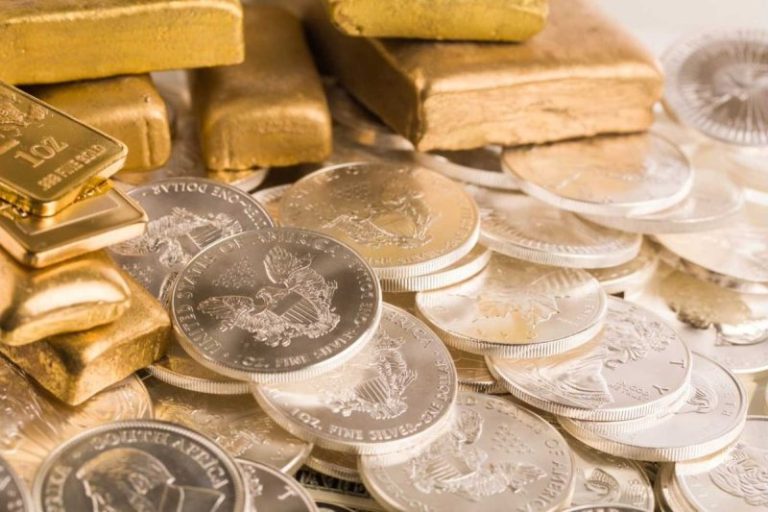
To kick it off, our team asked nine experts to share their highest-conviction sectors.

Here’s what they had to say.

1. John Rubino — Silver

2. Peter Schiff — Silver, mining stocks

Peter Schiff of Euro Pacific Asset Management and Schiff Gold mentioned silver too, although he also said he sees mining stocks overall doing well.

3. Craig Hemke — Silver-mining stocks

Similarly, Craig Hemke of TFMetalsReport.com is bullish on silver, but said his choice for top-performing asset of 2026 would be silver-mining stocks.

4. Byron King — Gold

5. Chris Temple — Uranium

6. Lobo Tiggre — Copper

7. Rick Rule — Oil/gas, small-scale community banks in the US

Unsurprisingly, Rick Rule of Rule Investment Media went outside the box.

8. Gareth Soloway — ‘Defensive names’ like Pfizer (NYSE:PFE)

Gareth Soloway of VerifiedInvesting.com also had an alternate take. Although he believes gold will perform well in 2026, he said it won’t necessarily be the top-performing asset.

9. Clem Chambers — Intel (NASDAQ:INTC)

Finally, Clem Chambers of aNewFN.com spoke about why he sees promise in Intel.

Securities Disclosure: I, Charlotte McLeod, hold no direct investment interest in any company mentioned in this article.

This post appeared first on investingnews.com
After a steep decline during the first half of 2025, the zinc price is ending the year close to where they started.

Because it’s used to make galvanized steel, the majority of zinc demand is closely tied to housing and manufacturing sectors, which have recently faced pressures from a combination of high inflation and interest rates.

Additional pressures have come from an evolving US trade policy, causing uncertainty among investors who turned away from real estate and consumers who reduced spending.

What happened to the zinc price in 2025?

The zinc price was relatively flat at the start of 2025, beginning the year at US$2,927 per metric ton (MT) on January 2 and closing the first quarter at US$2,855 on March 30. However, the second quarter brought a broad rout for base metals prices, and by April 9 zinc had fallen to a yearly low of US$2,562.

Since then, zinc has gained steadily, ending the second quarter at US$2,753 on June 30. The price rise continued through Q3 and Q4, with zinc reaching US$2,954 on September 30 and US$3,088 on December 29.

Zinc price, 2025.

Chart via the London Metal Exchange.

Key trends for zinc in 2025

As mentioned, zinc saw a major price decline at the start of April, falling 14 percent as the base metals sector responded to US President Donald Trump’s “Liberation Day” tariffs announcement.

At the time, analysts predicted that the proposed reciprocal tariffs could trigger a recession, impacting consumer spending on new homes and cars, both of which have significant inputs of galvanized steel.

While the threat of a significant global recession eased as the proposed tariffs were dialed back, considerable uncertainty among both investors and consumers remained. This was evident in the US housing market, where affordability challenges persist, leading to stagnation in new housing starts and a glut of unsold homes.

Likewise, a stalled Chinese housing market persisted throughout 2025. The country’s real estate market collapsed in 2020 as Evergrande and Country Garden filed for bankruptcy. Over the past five years, the government has implemented several measures to stimulate the beleaguered sector, but they have had little effect.

According to CNBC, November sales from China’s top 100 developers declined 36 percent over 2024, and were down 19 percent through the first 11 months of 2025 — a ‘real and concerning’ worsening.

Against that backdrop, the International Lead and Zinc Study Group (ILZSG) is predicting a 2025 zinc market surplus of 85,000 MT in 2025. It notes that during the first 10 months of the year, zinc mine production rose to 10.51 million MT, up from 9.87 million MT in 2024. Refined zinc production was also up, rising slightly to 11.52 million MT from 11.12 million MT in the same period last year. Zinc demand reached 11.44 million MT, up from 11.19 million MT in 2024.

Despite the oversupply situation, London Metal Exchange (LME) stockpiles fell from 230,325 MT on January 2 to just 33,825 MT on November 1. The gap has since widened again, reaching 52,025 MT on November 28.

Zinc surplus expected in 2026

Oversupply is likely to persist as newly mined metals enter the market, while demand growth remains modest.

The ILZSG is predicting that global refined zinc demand will increase by 1 percent to 13.86 million MT in 2026.

The group notes that while it anticipates sees Chinese demand posting a 1.3 percent gain in 2025, it believes usage from the country will be flat in 2026 as the slump in the Chinese real estate sector persists into 2027.

Additional challenges are arising from a slowdown in the US housing market, as new buyers face high home prices and elevated mortgage rates. However, policy proposals from the Trump administration on December 17 could give the sector a much-needed boost and potentially increase downstream demand for zinc.

Likewise, European zinc demand is likely to grow next year following predicted 0.7 percent growth in 2025.

However, the ILZSG is predicting a more significant upward trend in zinc mine supply in 2026 — the organization is anticipating that output will increase by 2.4 percent to 12.8 million MT. This will come on the back of higher output from existing operations in Europe, Australia, Brazil, the Democratic Republic of Congo and China.

Additional zinc supply will come from a recent restart at the Almina-Minas Aljustrel mine in Portugal, commissioning of Bunker Hill Mining’s (CSE:BNKR,OTCQB:BHLL) namesake mine in Idaho, and the start of commercial production at the Xinjiang Huoshaoyun mine in China, which will be the sixth largest lead-zinc mine in the world.

Refined zinc output is also expected to increase by 2.4 percent in 2026, reaching 14.13 million MT from the anticipated 13.8 million MT in 2025. The higher levels are owed to the greater availability of concentrates in Brazil, Canada, Norway and China. Overall, the ILZSG predicts a global zinc supply surplus of 271,000 MT in 2026.

Zinc price forecast for 2026

In terms of the zinc price in 2026, a December report from Fastmarkets suggests that upward momentum from the 2025 LME average of US$3,218 is expected to continue through the first half of the year.

The firm points to regional disparities as Chinese production runs at a surplus, while the rest of the world falls short.

However, the expectation is that the zinc market will achieve a better balance in the second half of the year and into 2027 as global surpluses begin to emerge. Zinc prices are then seen declining as a result.

For its part, Morgan Stanley (NYSE:MS) recently revised its zinc price outlook for 2026, calling for a yearly average of US$2,900 for the base metal, as per a mid-December Reuters article.

Additionally, according to a November Argus report, long-term zinc contracts have slowed amid low LME inventories, creating near-term uncertainty and driving prices higher.

Argus suggests that manufacturers have been slow to issue sales orders, which has caused uncertainty among producers, leaving them to take a wait-and-see approach to determine if low inventories persist.

It’s also important to note that zinc is listed as a critical mineral in the US for its use in the production of galvanized steel for infrastructure and defense projects. The US has already given South32’s (ASX:S32,OTC Pink:SHTLF) Hermosa project FAST-41 approval, giving it access to streamlined regulatory processes.

With building regional disparities and a tense relationship between the US and China, the world’s top zinc producer, a deteriorating trade status could be a boon for US and western producers of the metal.

However, as long as refined supply of zinc remains in surplus against a backdrop of weak demand growth, investors can expect more of the same from zinc markets in the near term. This may open up opportunities for patient or less risk-averse investors who are willing to take a wait-and-see approach to how the market evolves.

Securities Disclosure: I, Dean Belder, hold no direct investment interest in any company mentioned in this article.

This post appeared first on investingnews.com
Bold Ventures Inc. (TSXV: BOL) (the ‘Company’ or ‘Bold’) is pleased to announce that further to its news release of December 16, 2025, it has closed its non-brokered private placement offering for gross proceeds of $776,800, through the placement of 6,000,000 working capital units (the ‘WC Units’) of the Company at a price of $0.08 per WC unit for $480,000 (the ‘WC Offering’) and 3,297,776 Flow Through units (the ‘FT Units’) at a price of $0.09 per FT Unit for $296,800 (the ‘FT Offering’, and together with the WC Offering, the ‘Offering’).

The Company paid cash finder fees in the aggregate of $36,719.99 and issued an aggregate of 454,333 compensation warrants (the ‘Compensation Warrants‘) to two eligible finders. 37,333 of the Compensation Warrants entitle the holder to acquire one (1) common share at a price of $0.12 until December 31, 2027. 417,000 of the Compensation Warrants entitle the holder to acquire one (1) common share at a price of $0.12 until December 31, 2028.

All the securities issued pursuant to the Offering are subject to a hold period expiring on May 1, 2026.

Bruce MacLachlan, President and COO of Bold Ventures, stated: ‘We wish to thank our existing shareholders for their continued support of the Company and welcome the participation by new investors. We look forward to seeing the results from our drilling programs in 2026.’

Insider Subscriptions

Three insiders subscribed for 420,000 FT Units for gross proceeds of $37,800. The insider private placements are exempt from the valuation and minority shareholder approval requirements of Multilateral Instrument 61-101 (‘MI 61-101’) by virtue of the exemptions contained in sections 5.5(a) and 5.7(1) (a) of MI 61-101 in that the fair market value of the consideration for the securities of the Company issued to the insiders does not exceed 25% of its market capitalization.

The Offering

Each WC Unit comprises one (1) common share of the Company priced at $0.08 and one full common share purchase warrant (a ‘WC Warrant‘) entitling the holder to acquire one (1) common share at a price of $0.12 until December 31, 2028. The proceeds from the WC Units will be used for general working capital, property maintenance, exploration and expenses of the offering.

Each FT Unit comprises one common share of the Company priced at $0.09 and one half (1/2) of a common share purchase warrant. One full common share purchase warrant (a ‘FT Warrant’) and $0.12 will acquire an additional common share until December 31, 2027. The proceeds from the sale of the FT Units will be used for exploration work that qualifies for Canadian Exploration Expenses (CEE).

Bold Ventures management believes our suite of Battery, Critical and Precious Metals exploration projects are an ideal combination of exploration potential meeting future demand. Our target commodities are comprised of: Copper (Cu), Nickel (Ni), Lead (Pb), Zinc (Zn), Gold (Au), Silver (Ag), Platinum (Pt), Palladium (Pd) and Chromium (Cr). The Critical Metals list and a description of the Provincial and Federal electrification plans are posted on the Bold website here.

About Bold Ventures Inc.

The Company explores for Precious, Battery and Critical Metals in Canada. Bold is exploring properties located in active gold and battery metals camps in the Thunder Bay and Wawa regions of Ontario. Bold also holds significant assets located within and around the emerging multi-metals district dubbed the Ring of Fire region, located in the James Bay Lowlands of Northern Ontario.

For additional information about Bold Ventures and our projects please visit boldventuresinc.com or contact us at 416-864-1456 or email us at info@boldventuresinc.com.

‘Bruce A MacLachlan’
Bruce MacLachlan
President and COO

Direct line: (705) 266-0847 Email: 

bruce@boldventuresinc.com

‘David B Graham’ 
David Graham
CEO


Neither TSX Venture Exchange nor its Regulation Services Provider (as that term is defined in the policies of the TSX Venture Exchange) accepts responsibility for the adequacy or accuracy of this release.

Cautionary Note Regarding Forward-Looking Statements: This Press Release contains forward-looking statements that involve risks and uncertainties, which may cause actual results to differ materially from the statements made. When used in this document, the words ‘may’, ‘would’, ‘could’, ‘will’, ‘intend’, ‘plan’, ‘anticipate’, ‘believe’, ‘estimate’, ‘expect’ and similar expressions are intended to identify forward-looking statements. Such statements reflect our current views with respect to future events and are subject to such risks and uncertainties. Many factors could cause our actual results to differ materially from the statements made, including those factors discussed in filings made by us with the Canadian securities regulatory authorities. Should one or more of these risks and uncertainties, such actual results of current exploration programs, the general risks associated with the mining industry, the price of gold and other metals, currency and interest rate fluctuations, increased competition and general economic and market factors, occur or should assumptions underlying the forward looking statements prove incorrect, actual results may vary materially from those described herein as intended, planned, anticipated, or expected. We do not intend and do not assume any obligation to update these forward-looking statements, except as required by law. Shareholders are cautioned not to put undue reliance on such forward-looking statements.

NOT FOR DISTRIBUTION TO U.S. NEWSWIRE SERVICES OR FOR DISSEMINATION IN THE UNITED STATES

To view the source version of this press release, please visit https://www.newsfilecorp.com/release/279349

News Provided by Newsfile via QuoteMedia

This post appeared first on investingnews.com

Here’s a quick recap of the crypto landscape for Friday (January 2) as of 9:00 a.m. UTC.

Get the latest insights on Bitcoin, Ether and altcoins, along with a round-up of key cryptocurrency market news.

Bitcoin and Ether price update

Bitcoin (BTC) was priced at US$89,036.29, up by 1.8 percent over 24 hours.

Bitcoin price performance, January 1, 2025.

Chart via TradingView

Ether (ETH) was priced at US$3,028.99, up by 2.3 percent over the last 24 hours.

Altcoin price update

  • XRP (XRP) was priced at US$1.88, up by 2.5 percent over 24 hours.
  • Solana (SOL) was trading at US$127.74, up by 2.8 percent over 24 hours.

Today’s crypto news to know

Bitcoin ETFs suffer worst two-month exodus on record

U.S.-listed spot Bitcoin ETFs closed 2025 with a combined US$4.57 billion in net outflows for November and December, marking their worst two-month stretch since launching in early 2024.

December alone saw US$1.09 billion pulled from the funds, following an even steeper $3.48 billion in November, according to SoSoValue data. The selloff also coincided with a roughly 20 percent drop in Bitcoin’s price.

Meanwhile, Ether ETFs were also swept up in the retreat, losing more than US$2 billion over the same period.

While the scale of redemptions appears severe, optimistic outlooks still persist. Some market participants say the flows reflect portfolio rebalancing rather than outright panic.

For instance, others note that weaker hands exited into year-end, while longer-term capital absorbed supply.

Turkmenistan moves to legalize crypto mining and exchanges

Turkmenistan has formally legalized cryptocurrency mining and exchanges after President Serdar Berdimuhamedov signed the Law on Virtual Assets into effect in late November.

The legislation establishes a legal framework for creating, trading, and holding digital assets as part of a broader push to stimulate economic growth and attract foreign investment.

Under the law, cryptocurrencies are classified as property rather than legal tender or securities and are divided into secured and unsecured assets, such as Bitcoin.

Further, mining is permitted for both individuals and companies, provided they register with the Central Bank of Turkmenistan and comply with technical standards.

The rules also explicitly ban illicit practices like cryptojacking and require licensed operations. Crypto exchanges and custodial services are also authorized, subject to central bank approval and strict KYC and anti-money-laundering requirements.

Tether expands Bitcoin, gold reserves with year-end purchase

Tether added 8,888 Bitcoin on New Year’s Eve, lifting its disclosed holdings to more than 96,000 BTC and placing the stablecoin issuer among the largest corporate holders globally.

CEO Paolo Ardoino said the purchase continues Tether’s policy of allocating up to 15 percent of quarterly earnings into Bitcoin, with the latest tranche valued at roughly US$780 million at the time of acquisition.

The accumulation makes Tether’s wallet the fifth-largest known Bitcoin address and the second-largest among private corporate treasuries.

Bitcoin remains only part of the firm’s reserve strategy, which also includes a sizable gold position. Tether bought 26 tons of gold in the third quarter, bringing its total holdings to 116 tons.

Securities Disclosure: I, Meagen Seatter, hold no direct investment interest in any company mentioned in this article.

Securities Disclosure: I, Giann Liguid, hold no direct investment interest in any company mentioned in this article.

This post appeared first on investingnews.com
Westport Fuel Systems Inc. (‘Westport’) (TSX:WPRT Nasdaq: WPRT), a supplier of alternative fuel systems and components for the global transportation industry, today announces changes to its Board of Directors. Chair Dan Hancock, appointed to the Board in July 2017, retired from the Board, effective December 31, 2025, with current director Tony Guglielmin assuming the role of Chair. Joining Westport’s Board of Directors, effective January 1, 2026, is Brad Kotush, who brings over 20 years of experience in early-stage transformation, investment banking, and capital markets, both in Canada and globally. This addition further enhances the Board’s expertise and supports the Company’s long-term strategic objectives.

Mr. Hancock’s extensive automotive experience, particularly in technology commercialization and European manufacturing leadership, proved essential as Westport navigated the rapidly shifting dynamics of today’s automotive industry,’ said Tony Guglielmin, appointed Chair of Westport’s Board of Directors. ‘During the integration process following the 2016 merger and the commercialization of the HPDI fuel system, Mr. Hancock provided the stability and insight necessary for success. We are grateful for his dedication and the legacy he leaves with the Board.’

‘Brad Kotush’s appointment adds exceptional strength to our Board,’ added Guglielmin. ‘Mr. Kotush’s background in executive-level finance, risk management, and strategy spanning clean technology, investment banking, and global capital markets aligns directly with Westport’s strategic direction. His experience overseeing regulated entities, major financing programs, and cross-border transactions will bring meaningful insight and discipline to our governance and decision-making processes.’

Mr. Kotush is currently the CFO of a clean tech company listed on the TSXV and previously held the positions of Executive Vice President and Chief Financial Officer at Home Capital Group Inc. and Executive Vice President, Chief Financial and Risk Officer at Canaccord Genuity Group Inc.

About Westport Fuel Systems

Westport is a technology and innovation company connecting synergistic technologies to power a cleaner tomorrow. As a leading supplier of affordable, alternative fuel, low-emissions transportation technologies, we design, manufacture, and supply advanced components and systems that enable the transition from traditional fuels to cleaner energy solutions.

Our proven technologies support a wide range of clean fuels – including natural gas, renewable natural gas, and hydrogen – empowering OEMs and commercial transportation industries to meet performance demands, regulatory requirements, and climate targets in a cost-effective way. With decades of expertise and a commitment to engineering excellence, Westport is helping our partners achieve sustainability goals—without compromising performance or cost-efficiency – making clean, scalable transport solutions a reality.

Westport is headquartered in Vancouver, Canada. For more information, visit Westport.com.

Contact Information

Investor Relations
Westport Fuel Systems
T: +1 604-718-2046     

News Provided by GlobeNewswire via QuoteMedia

This post appeared first on investingnews.com